
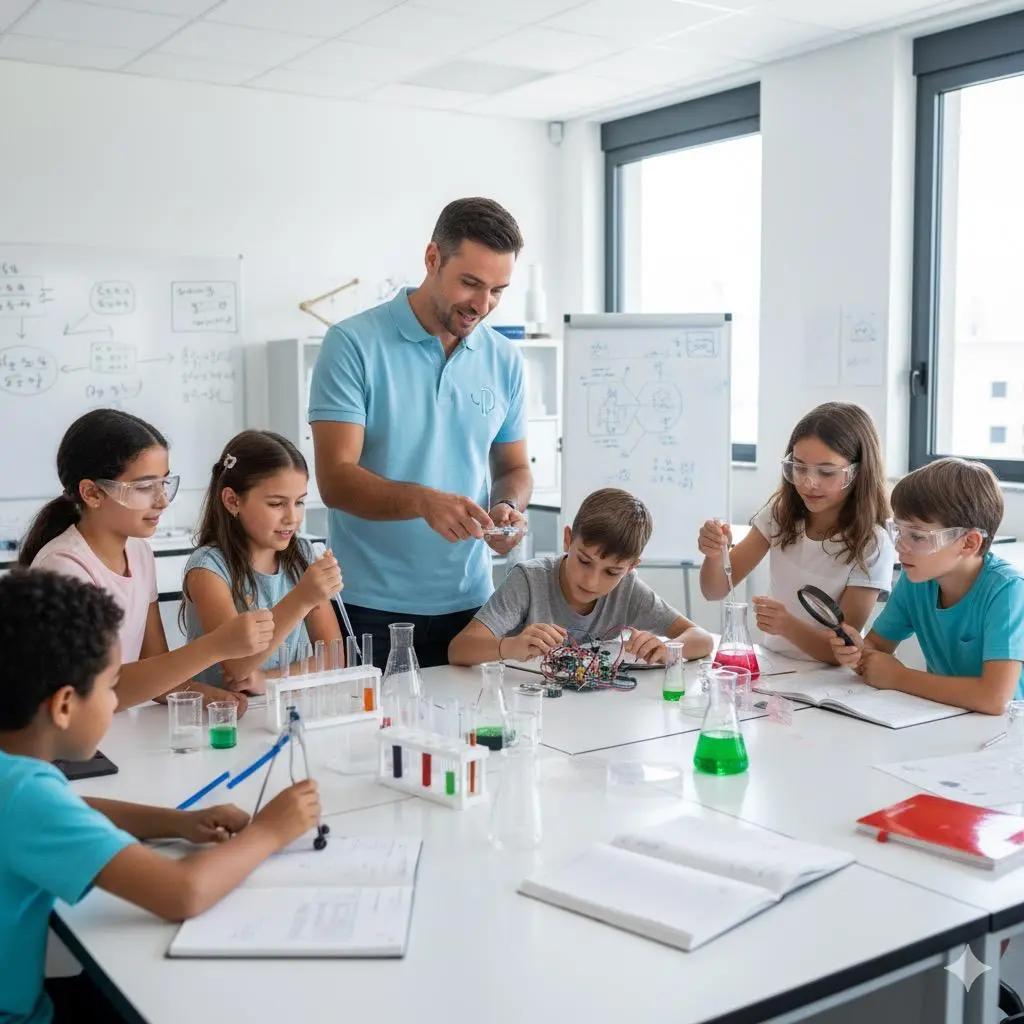
Modern education has evolved beyond traditional classroom lectures. Practical learning has become an essential part of academic success because it allows students to apply theoretical knowledge in real-life situations. Through hands-on activities, projects, laboratory work, presentations, and field experiences, students develop valuable skills that prepare them for higher education and professional careers.
Practical learning encourages curiosity and active participation. Instead of memorizing information, students gain a deeper understanding by solving real problems, conducting experiments, and working on collaborative projects. This approach enhances creativity, analytical thinking, and communication skills.
Educational institutions that prioritize practical learning also foster confidence and independence among students. Whether participating in science laboratories, computer programming sessions, business simulations, or community-based projects, students learn how to adapt to different challenges while improving their decision-making abilities.
Modern classrooms integrate technology with traditional teaching methods. Interactive presentations, digital learning platforms, research opportunities, and multimedia resources create engaging learning experiences that meet the needs of today’s students.
Practical education also strengthens teamwork and leadership qualities. Students learn to collaborate with peers, respect different perspectives, and manage responsibilities effectively. These skills are highly valued by universities and employers across various industries.
At our academy, we believe that education should inspire innovation and prepare students for real-world success. Our practical approach to teaching combines academic excellence with hands-on learning opportunities, ensuring students graduate with the confidence, competence, and experience required to excel in their chosen careers.